
On what’s been dubbed “work life balance week”, it feels appropriate, as the host of a podcast and blog about balancing work with other things in life, to put out a statement.
The thing is, the notion of a week dedicated to “work-life balance” sits uneasily with me. Which is somewhat ironic given the subject matter of my podcast and blog. But, I concede, I find the term “work-life balance” problematic – an imperfect way to refer to the realities of juggling the multiple aspects of work and home lives in 2024.
And here’s why:
- The term “work-life balance” implies that to be balanced means to find an equilibrium between work and everything else in life. A 50:50 split, if you like. Conversations prompted by my podcast and blog have taught me otherwise. I’ve met many people that feel a contented sense of balance when they prioritise work over other things. Or when they’re not in paid employment. And many other set-ups in the middle of those two extremes. What consistently emerges is a recognition that holding space to consider the value of the work aspect of life as a separate entity, continues to be relevant. A person’s work holds a unique place in life, whether by necessity (to pay the bills) or in terms of their drive and passion for a vocation or lifestyle.
- Finding balance does NOT mean working less, as the term “work-life balance” usually insinuates. It just means finding what works for you and the people around you. If that involves prioritising work over other things then that’s still a balance. Often the pursuit of balance comes down to identifying what individually matters to you and making intentional choices. Not necessarily by reducing working hours (though that also works for some people).
- The term “work-life balance” can imply that its pursuit is a destination rather than a journey. I’ve found this to be untrue and unnecessary. Embracing fluidity in the pursuit of balance enables acceptance of fluctuations to work and other life demands. Maybe you’re working to a project deadline; or for a number of years you want to commit to a particularly responsible and demanding role; or take a career break; or reduce your working hours to care for a loved one. Whilst change is not easy, such choices don’t necessarily need to be permanent. The pursuit of balance doesn’t need to be static; it can be considered over the course of time.
So there you have it. My personal gripes with the term “work- life balance”.
I’m still wedded to the notion of “balance”, mind you. Without balance, a person can topple over. It’s not fatal, but it’s not a great place to operate from either, for your own well being or others’.
Nevertheless, the crux of the matter is that I’ve yet to find a suitable alternative to the term “work-life balance”. And trust me, I’ve been looking for it. If you have fresh suggestions please send them to me at info@a-fine-balance.com.
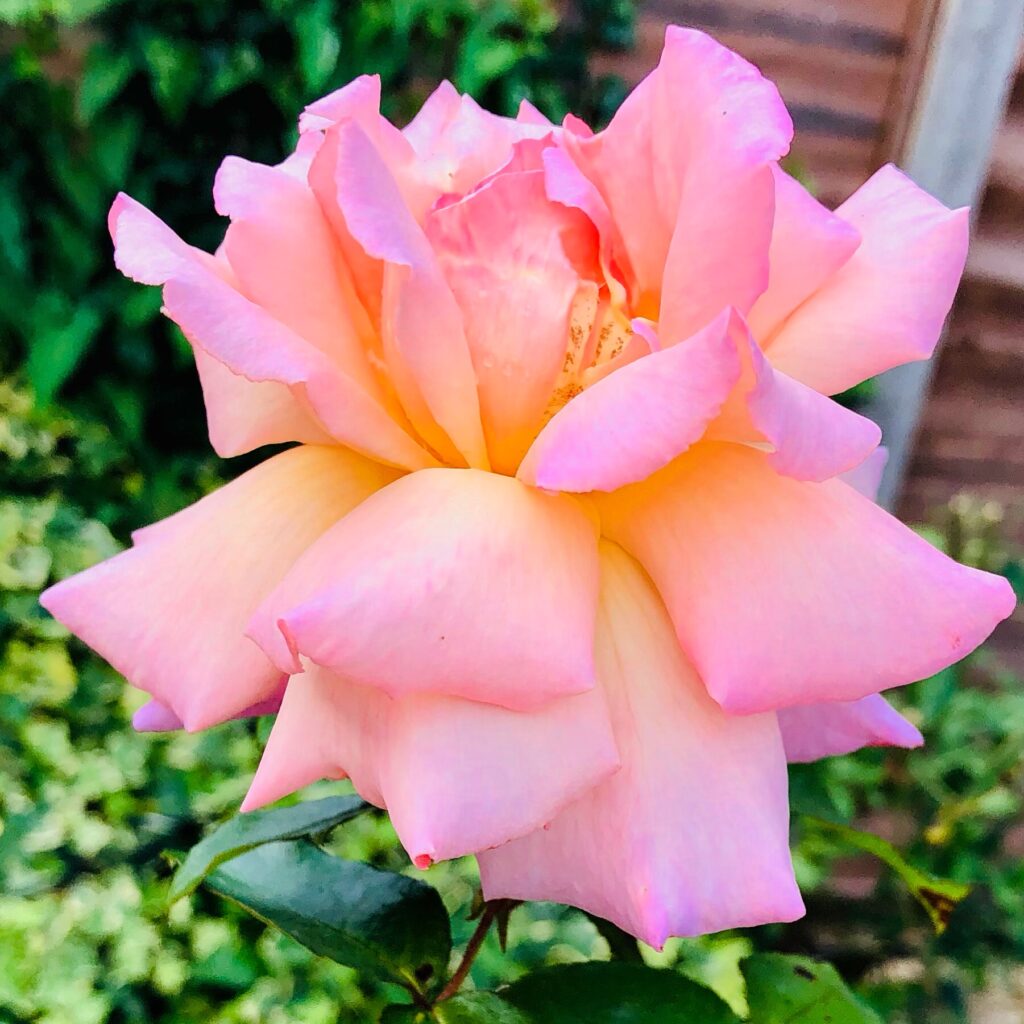
Call it what you will, there is evidently value in considering how people balance work with everything else in life. And to quote a classic, I’ll maintain that “a rose by any other name would smell as sweet”, which I alluded to in this blog post a while back.
So however you’re choosing to celebrate, I wish all readers and listeners of the podcast, a happy work-life balance week, for what it’s worth.