
So often the term work-life balance implies “working” less and “living” more. But what if ambition, financial pressures, or any other personal reason, compels you to choose “work” over “life”?
While striving for goals and ambition is usually lauded as admirable, prioritising “work” over “life” is often cast as something shameful, rather than something to be proud of. A mismanagement, if you will, of the balance between working hard and working too hard.
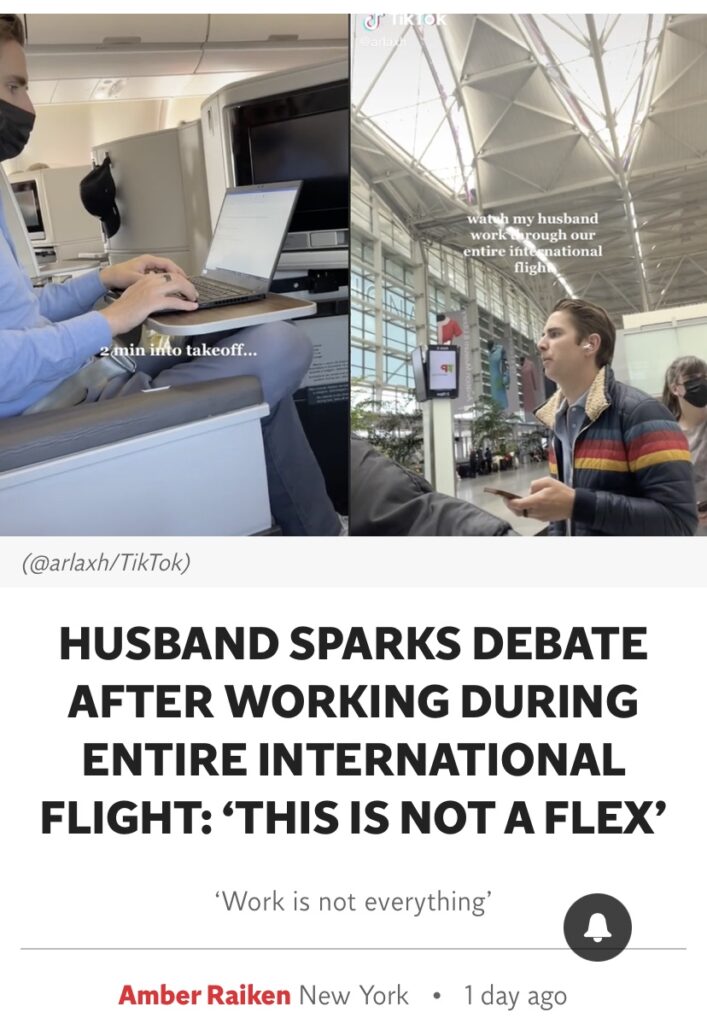
I recently came across an article about a woman who sparked debate when she posted photos of her husband choosing to work for the entire duration of an international flight. It’s not clear from the headline whether she is admonishing her husband or his employer, but either way, her aggravation at him choosing to work during their time together seems to override any sense of pride at his professional accomplishments or dedication to his vocation.
What would it take for that attitude to switch? At what point do your work-life balance choices start impacting on those around you?
In the first podcast episode of Steven Barlett’s “The Diary of a CEO”, Steven is explicit about prioritising his work over most other things. He says that this has yielded him a contented and fulfilling “work-life balance”. It’s impossible to know if he’d have been as successful if he’d chosen to balance things differently. Or if his partner or loved ones were pressuring him to behave differently (perhaps they were…).

Steven Bartlett is not alone in being a person of notoriety that has demonstrably weighted heavier on the “work” side of the work:life ratio. Take NBA legend Michael Jordan, for example. He was known to spend his off-seasons taking hundreds of jump shots a day.
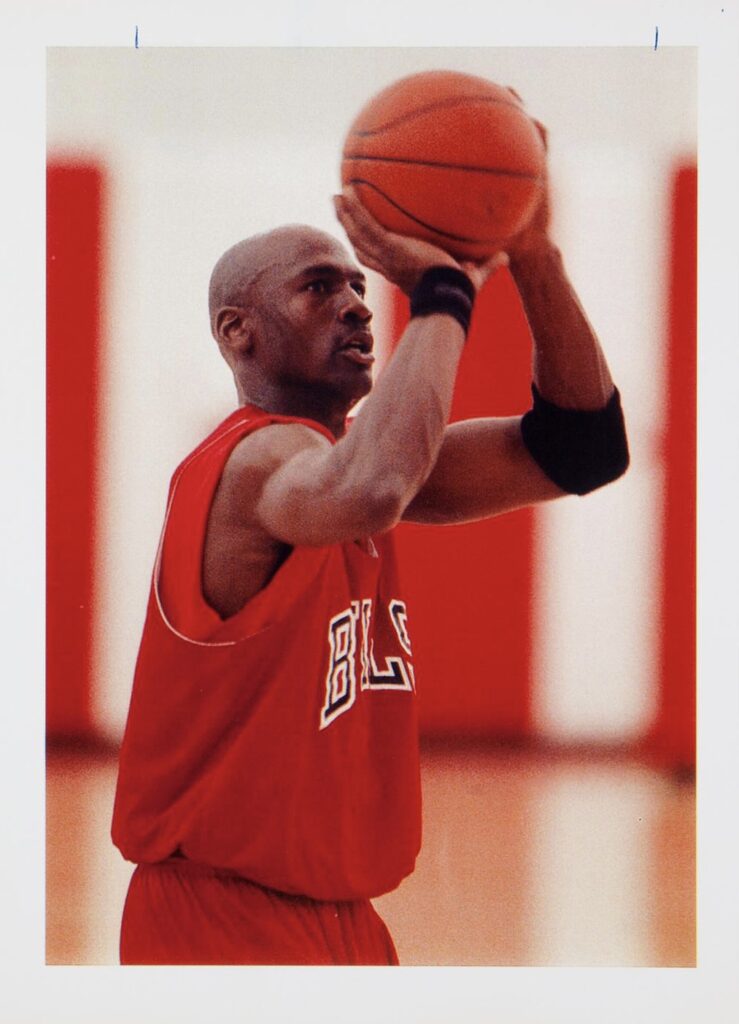
Work/life balance or work/life off-balance?
Tennis superstar sisters Venus and Serena Williams were up hitting tennis balls at 6.00am from the time they were seven and eight years old. Could anyone argue that the work-life balance of these champion sportspeople wasn’t worth it?

This blog has featured people that are similarly driven to prioritise work over other things in life: Tom, for example, shared his story of being so passionate about his career that he devoted the majority of his time and attention to it.
Once married with children, this impacted acutely on his decision-making as a husband and father: he described holidays he missed, school runs he didn’t do, a lack of presence that was typical (though “not excusable!”) of fathers in his generation. Now in retirement, Tom reflects on the choices he made to allow “work” to weigh heavier on his work:life ratio:

“Would I have given that up? Do I wish I’d made other choices?”, he asks rhetorically. “I’d like to say yes, but it’s tough. I got such a buzz from the work I did. Could I honestly say I wouldn’t live through that again?“.
Extract of the blog post Tom’s Story: Finding Balance in Retirement: Tom’s Story – on Empathy, Leadership & Passion for your Vocation
Darren, who was the first person to feature on the “Work-Life Balance Profiles” series, was equally explicit about his compulsion to choose “work” over “life, and the reasons behind his choices:
“I know I haven’t got the balance right but I love my work – it is my hobby and I would do it in my spare time, if I had any”
Extract of the blog post Darren’s Story – Confessions of a Workaholic

This blog seeks to showcase the diversity of work-life balance choices and to celebrate the differences. The burden of shame associated with workaholism adds to the challenge.
If you have a story to tell, or know someone else who does, we’d love to hear it and include it in the spectrum of Work-Life Balance Profiles featured here.

